
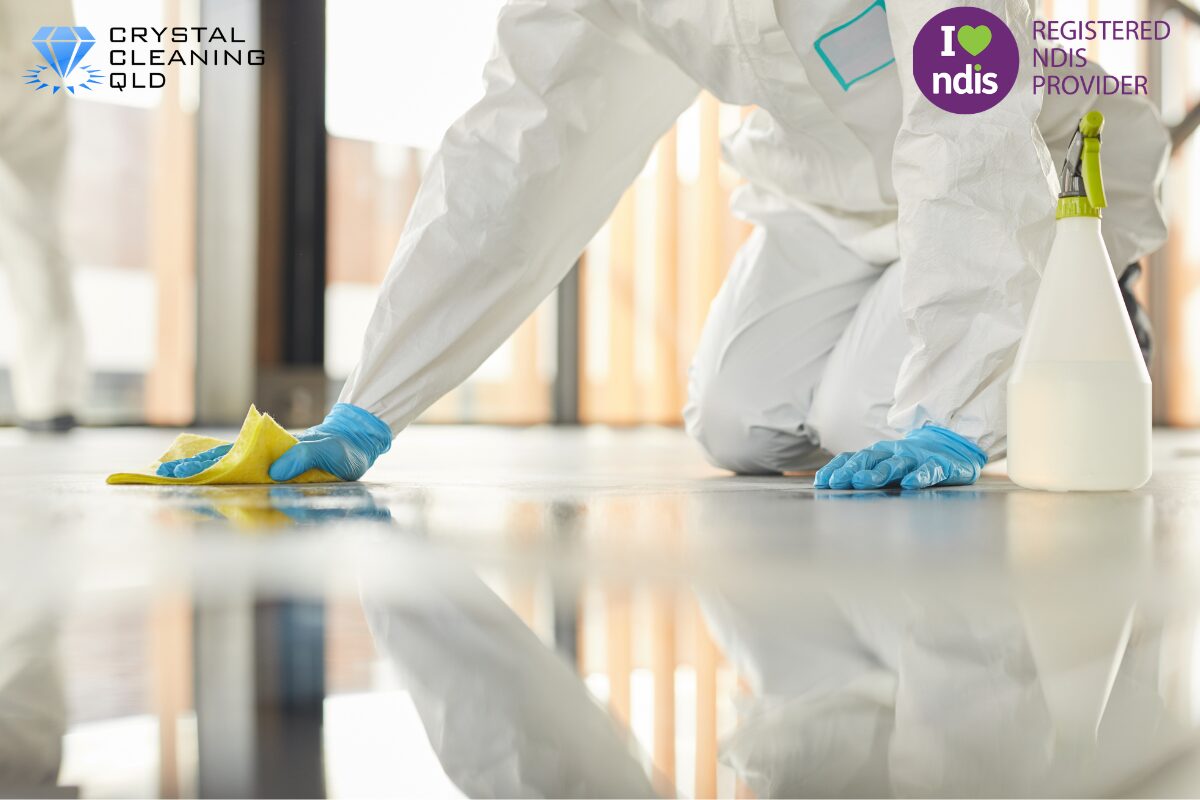
In care and independent living environments, cleaning isn’t just about presentation — it’s about protecting health, dignity, and quality of life. With residents often more vulnerable to illness, effective infection control plays a critical role in keeping these environments safe, compliant, and trusted by families.
At Crystal Cleaning QLD, infection control is embedded into every cleaning system we deliver. Our approach supports property care with professional, structured workflows that meet industry expectations and help reduce the spread of harmful germs and pathogens. Investing in these rigorous systems is the absolute best way to learn how you can perfect cleaning & support easily while keeping safety standards at the absolute highest across Brisbane and the Gold Coast.
Below is a clear, step-by-step guide to infection-control-focused cleaning in care environments.
Why Infection Control Cleaning Matters
Care environments are high-risk zones due to:
- Frequent contact between residents, carers, and visitors.
- Shared facilities such as bathrooms, dining areas, and lounges.
- Increased susceptibility to infections among vulnerable residents.
Without consistent, professional cleaning protocols, bacteria and viruses can spread rapidly — putting residents, staff, and daily operations at risk. Effective infection control cleaning directly helps reduce cross-contamination, support regulatory compliance, protect resident well-being, and build absolute confidence with families.
Step-by-Step Infection Control Cleaning Guide
Step 1: Start With the Right PPE and Preparation
Every infection-control clean begins before the first surface is wiped. Care professionals should always wear appropriate PPE (gloves, masks, and protective clothing), use colour-coded microfibre cloths and mops to prevent cross-use between areas, and prepare approved cleaning and disinfecting solutions correctly. This step ensures contaminants are not transferred from one space to another.
Step 2: Focus on High-Touch Surfaces First
High-touch points are the most common transmission zones and must be prioritised during every clean. These include door handles, handrails, light switches, lift buttons, bed rails, call buttons, mobility aids, chairs, tables, and shared equipment. Using hospital-grade disinfectants and correct chemical dwell times is essential to effectively neutralise germs.
Step 3: Clean and Disinfect Resident Rooms Thoroughly
Resident rooms require a structured, top-to-bottom approach. Key focus areas include bed frames, bedside tables, drawers, floors, skirting boards, personal care areas, and frequently handled items. Cleaning should always move from cleaner areas to dirtier areas to avoid spreading bacteria.
Step 4: Bathrooms and Toilets – Zero-Tolerance Zones
Bathrooms are one of the highest-risk areas in any care setting. Effective infection control includes disinfecting toilets, taps, flush buttons, and grab rails, along with the thorough cleaning of showers and floors. Using separate tools and cloths dedicated only to bathroom areas significantly reduces the risk of viral outbreaks.
Step 5: Shared Spaces and Communal Areas
Dining rooms, lounges, and hallways see constant daily traffic and must be cleaned with frequency and care. Best practices include regular disinfecting of tables, chairs, and counters, immediate spot-cleaning throughout the day for spills, and scheduled deep cleans to maintain strict hygiene standards.
Step 6: Waste Management and Safe Disposal
Infection control doesn’t stop at cleaning — it extends to how waste is handled. This includes the proper disposal of contaminated waste, secure handling of soiled cleaning materials, and the safe removal of PPE after tasks are completed. Correct waste procedures help prevent accidental exposure and secondary contamination.
Step 7: Consistency, Documentation, and Professional Oversight
The most effective infection control programs are consistent and documented. Professional property care providers follow structured checklists and schedules, train staff to rigorous infection-control standards, and maintain strict accountability and quality assurance systems. This ensures cleaning isn’t reactive — it’s proactive and reliable.
Professional Infection Control Cleaning You Can Rely On
In premium property care, cleaning is a frontline defence. Partnering with a specialist provider ensures your home is supported by systems designed specifically for high-risk environments.
Crystal Cleaning QLD delivers professional cleaning services with a strong focus on infection control, safety, and respect — helping maintain clean, compliant, and caring environments every day. Our specialized NDIS house cleaning and property care packages strictly adhere to the pricing caps set out in the official NDIS price guide, delivering total financial transparency.
Want to discover how we can perfect cleaning & support easily for your home care requirements?
📞 Call Jess today on 1300 77 88 17 to discuss your tailored plan or to request an obligation-free quote.